Skip to content
Chicamocha Canyon Race — Home
Chicamocha Canyon Race
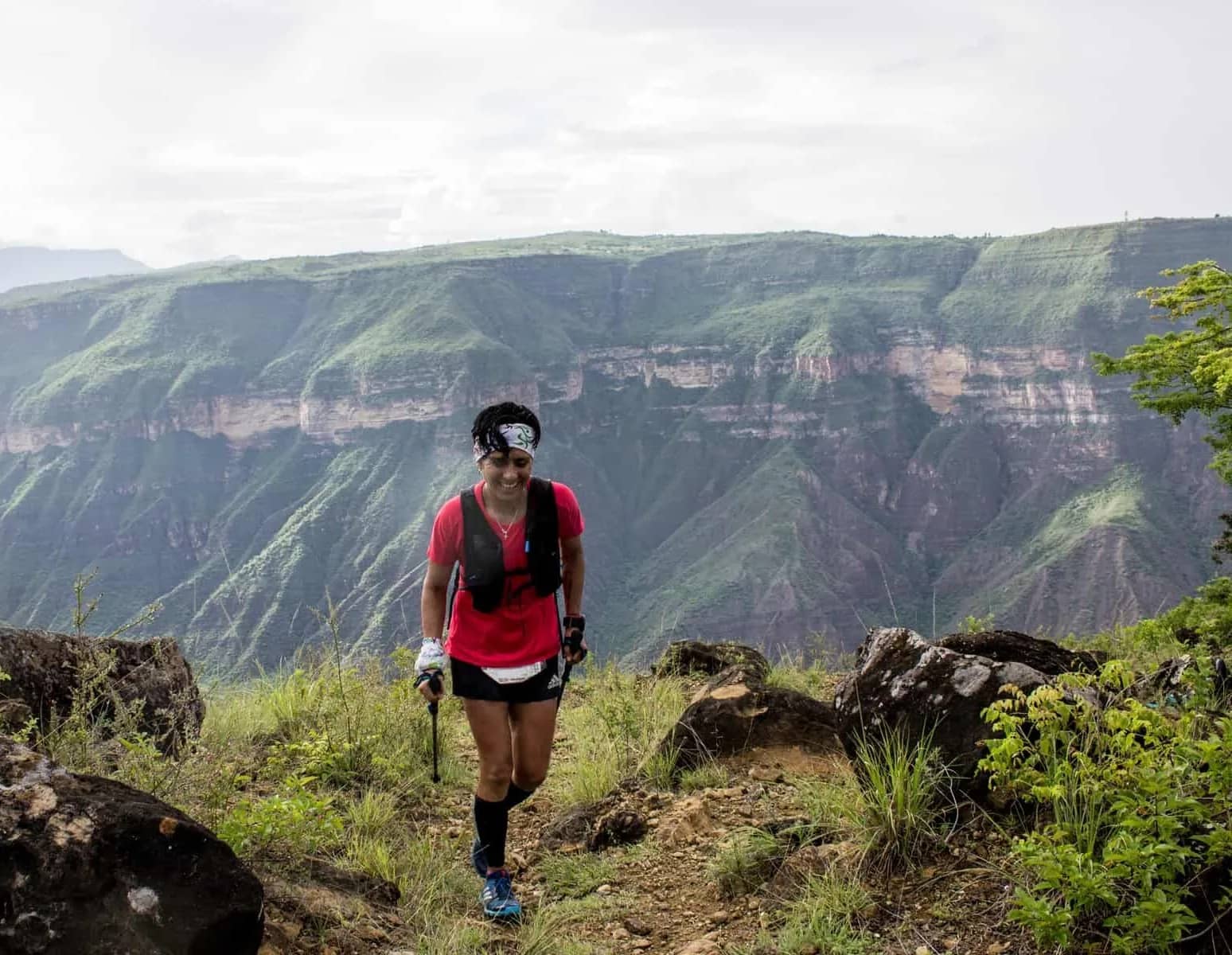
Runner with poles climbing a trail through the vegetation, facing the vast green walls of the Chicamocha Canyon

All trail lovers, all eco-responsible

Eco-responsibility

The Chicamocha Canyon is a majestic yet fragile territory. Running it means caring for it: this is how we reduce our impact, and how you can help.

Our commitment

More than a race, a commitment to the planet

The Chicamocha Canyon and its surroundings, majestic and rugged, sit on a fragile territory. Respecting the mountains we love and the people who live there is a way of respecting ourselves.

That is why we invite runners and supporters to share these lands mindfully. Not degrading the landscapes, helping conserve biodiversity and respecting the communities that host us are the keys to preserving the magic of the Chicamocha Canyon.

Since 2016 the race has had an environmental management plan and the #EcoResponsables campaign.

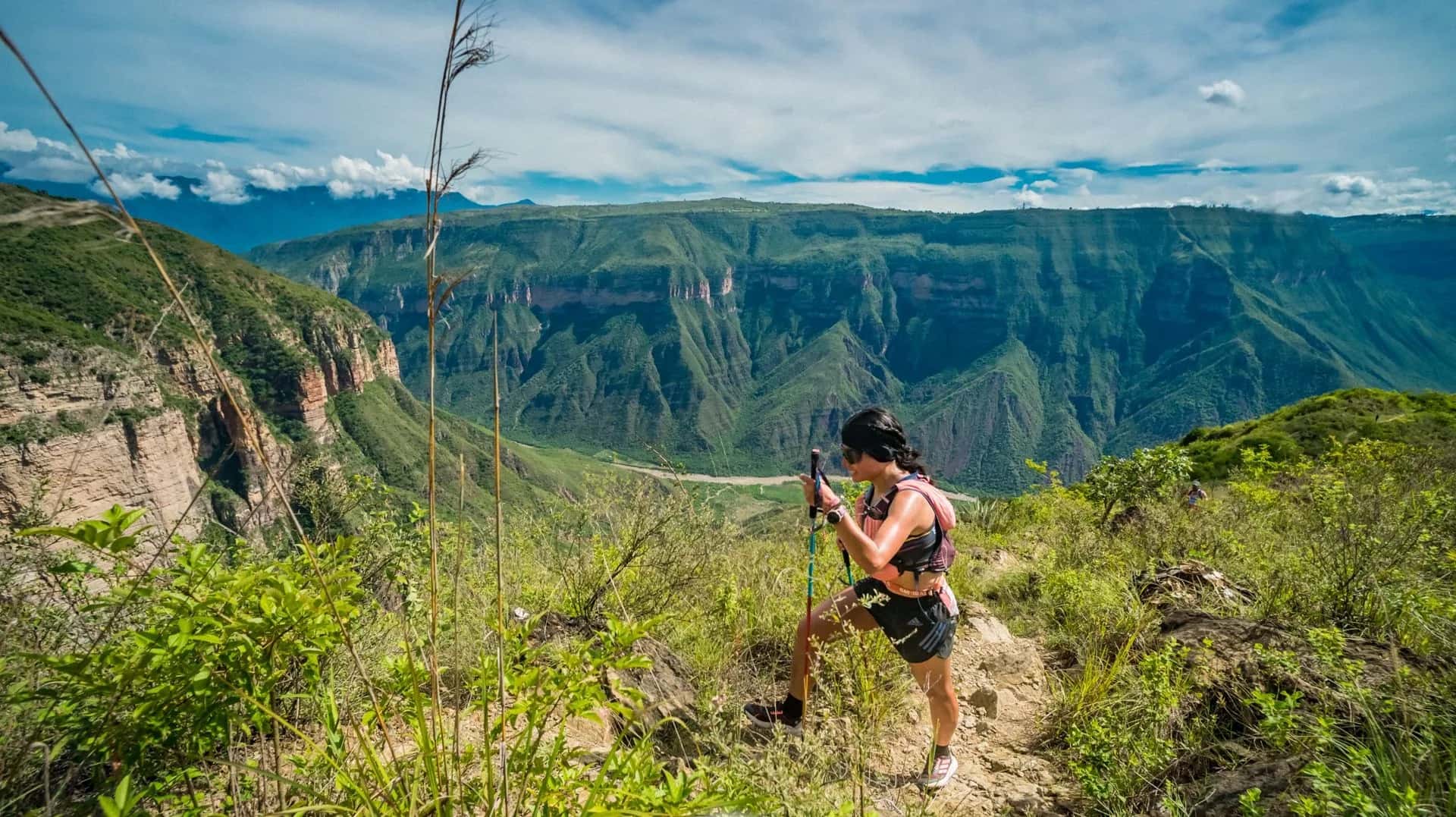
Runner with poles in front of the canyon walls under a cloudy sky

Concrete actions

What we do for a sustainable canyon

  • Materials

    Goodbye to needless plastic

    Biodegradable cups, plates and materials at aid stations and across event logistics. We do not use single-use plastic or styrofoam.
  • Waste

    Sorting and proper disposal

    Bins at every checkpoint and waste sorting at strategic points, to make recycling easier and reduce what ends up in landfills.

  • Runners

    Leave no trace

    We ask you to carry your own hydration system and to drop any waste, gels and wrappers included, only at the designated points.

  • Course marking

    Biodegradable tape

    We mark the course with biodegradable fabric tape made from plant fibers, and remove all markings once the race is over.

  • Transport

    Fewer emissions

    Shared transport for runners, optimized logistics routes and ongoing work to measure and reduce our carbon footprint.

  • Territory

    Education, partnerships and responsible tourism

    We inform runners, teams and local communities about conserving the canyon, work with local and environmental organizations, and promote tourism that respects the region's natural and cultural wealth.

Environmental guide

How to be an eco-responsible runner

Rules and tips for runners and supporters. Share them with the people who come with you: getting them on board is an eco-responsible act too.
Getting there

Most runners and supporters reach San Gil by road. To cut CO₂ emissions:

  • Take public transport: emissions are shared among all passengers, and there are comfortable buses so you can rest on the way.
  • Rent a bus with other runners: you share emissions and costs, and the trip is more fun.
  • If you drive, carpool with other runners.
  • Walk around San Gil: you will hardly need a vehicle to eat, shop or get to your hotel.
  • The organization takes runners to the starts and back from the finishes in shared transport, on a logistics plan that avoids unnecessary trips.
  • Supporters have a recommended route to the most accessible spots that are least sensitive for biodiversity. Sharing rides counts too.
Waste during the race
  • From the moment your race starts, all waste (wrappers, bottles, batteries, scraps of fabric or rubber) goes into the bins at the checkpoints.
  • Before leaving each checkpoint, empty your pockets at the waste area. Dropping litter on the trails is forbidden: it can lead to a penalty or disqualification under the race rules.
  • Bottles: refill them at the drink stations. If you want to throw one away, remove the cap, crush it and drop it in the designated area.
  • Batteries: choose rechargeable batteries for your headlamp. If you use regular ones, keep them and hand them in at the battery bin of the next checkpoint; the organization takes them to a specialized treatment company.
Cups and plates

We do not use single-use plastic or styrofoam: a single piece can take decades to break down in the mountains.

  1. Drinks and food from the organization are served in biodegradable cardboard or paper cups and plates, or in reusable tableware.
  2. Bring your own cup or use your hydration system: if we all do it, we avoid more than 3,000 cups at the race, biodegradable or not.
  3. Hot meals are served on camping tableware that is washed and reused.
Course marking

We collect all course markings after the race. Even so, some may fall, blow away or be removed by third parties, which is why we use biodegradable fabric tape made from plant fibers, the most eco-friendly option in trail running today.
Other recommendations
  • Stay on the marked trails: do not cut switchbacks or go cross-country; your steps drag soil, uproot vegetation and increase erosion.
  • Respect wildlife and plants: do not pick flowers or plants; the canyon is home to endemic species. If you see wild animals, watch them without scaring or touching them.
  • Avoid making fires: only in an extreme emergency. Report your position to the organization, clear the area, ring it with stones and keep the fire small and under control.
  • Answering nature's call: never on the trail, near water sources or in caves. Step off the trail, be discreet and bury everything.
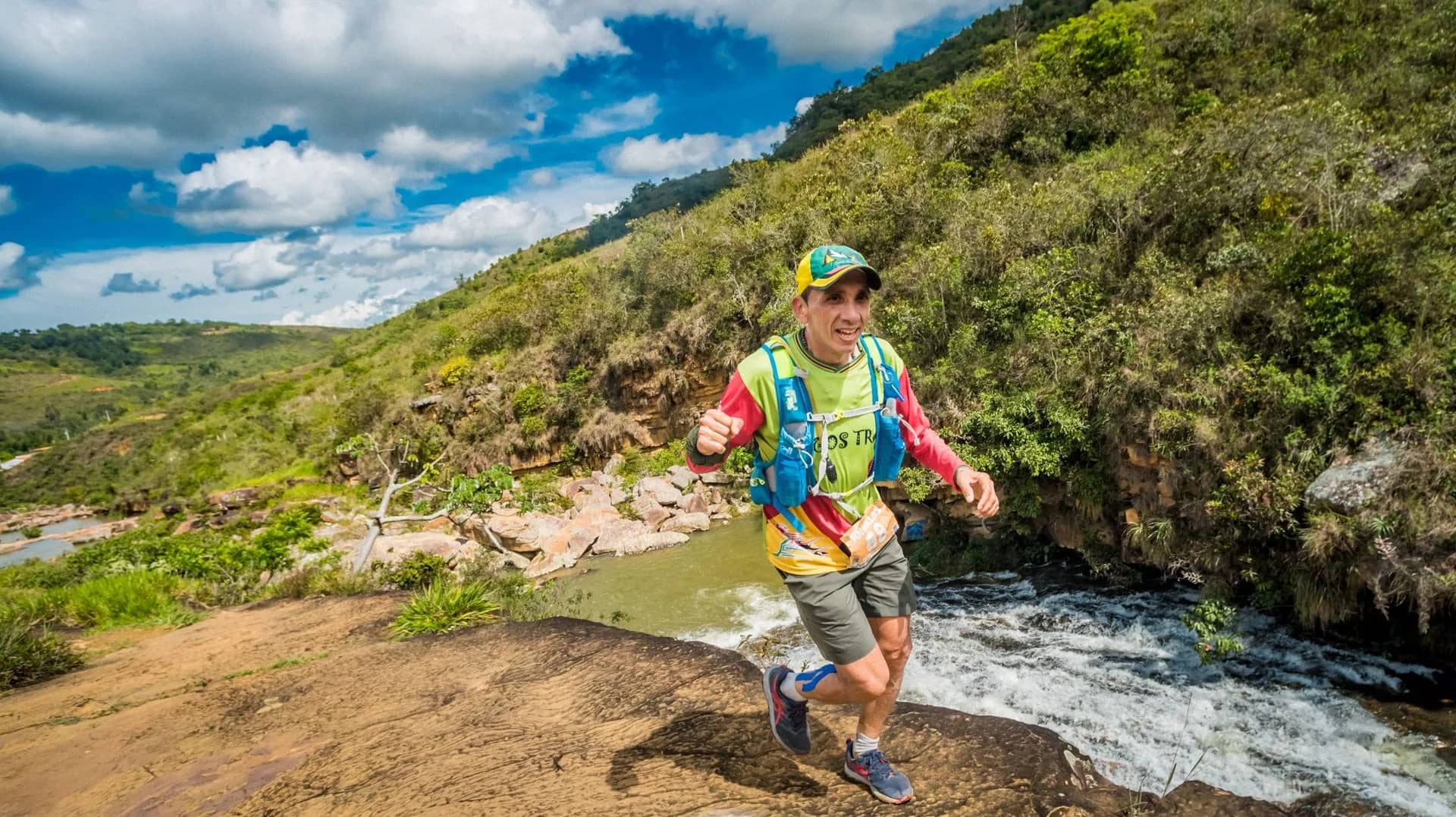
Runner moving across the rocks beside a fast-flowing river
“All trail lovers, all eco-responsible.”
— Chicamocha Canyon Race

Gallery

The land we care for

Run mindfully

When you register, you join a movement that leaves a positive mark in the heart of Santander. Let us run together and care together.